
I want to work in Civil Construction in WA – Here’s everything you need to know in 2026.
A complete guide for school leavers and career changers looking to get into Civil Construction in Western Australia.
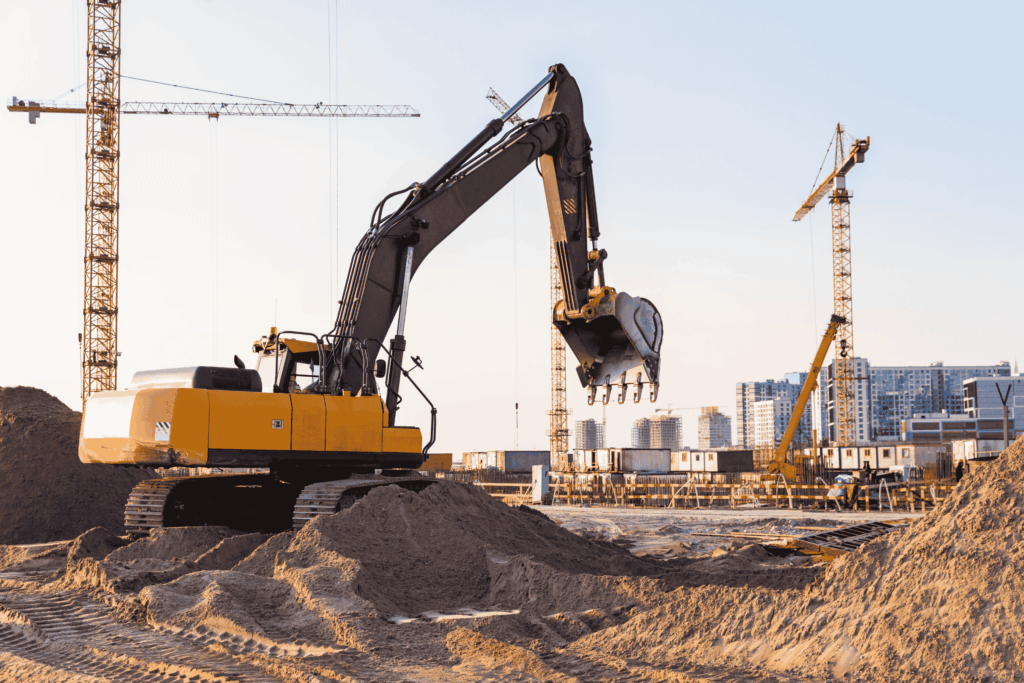
Every day across Australia, roads are being laid, tunnels bored, pipelines installed, and bridges built by the people who keep this country moving. Civil construction is one of Australia’s most essential and highest-paying trade industries and right now, the demand for qualified workers has never been stronger.
Whether you’ve just finished school, are looking to escape an office job, or want to turn years of site experience into a formal qualification, this guide will walk you through everything you need to know to get started.
Is Civil Construction the right career for you?
Civil construction is a demanding but deeply rewarding career. The best people in the industry tend to share a few key traits:
- You prefer working outdoors and with your hands rather than behind a desk
- You’re physically capable and comfortable in a fast-paced work environment
- You take safety seriously and follow procedures without cutting corners
- You’re reliable — construction sites run on teams, and showing up matters
- You enjoy operating machinery or are keen to learn
- You want a career with genuine long-term earning potential
And let’s bust the biggest myth right now: civil construction is not just digging holes. Today’s plant operators work with sophisticated heavy machinery (excavators, bulldozers, graders, rollers, loaders) on complex infrastructure projects that shape the country. It’s a technical, skilled profession that demands real competence.
Who’s entering civil construction in 2026? The industry welcomes school leavers, tradespeople wanting to diversify, labourers wanting to formalise their skills, ex-military personnel, and career changers from hospitality, transport, retail, and beyond.
What roles are available in Civil Construction?
Civil construction covers a wide range of roles, and most people start on the tools and progress into specialised or leadership positions over time. Here are the key roles to know:
- Civil Construction General Hand — entry-level site work, preparing and supporting plant operations
- Civil Foundations Worker — groundworks, earthmoving, foundation preparation
- Mobile Plant Operator — operating excavators, graders, bulldozers, loaders, rollers and more
- Leading Hand / Crew Supervisor — directing small teams on site, requires experience and leadership
- Site Supervisor / Foreman — overseeing daily site operations, safety compliance, resourcing
- FIFO Operator — high-paying remote contracts in mining and infrastructure, particularly in WA
The pathway from General Hand to experienced Plant Operator to Site Supervisor is well-trodden in this industry. Many workers who start on entry wages are earning six figures within a few years of gaining their qualifications and machine tickets.
What qualifications do I need?
Here’s the qualification that opens the door to operating plant and machinery on civil construction sites across Australia:
RII30820 Certificate III in Civil Construction Plant Operations
This is the nationally recognised qualification for anyone wanting to work as a plant operator or move beyond general labouring into skilled, machinery-based roles. It covers:
- Operating heavy construction plant and equipment
- Applying Workplace Health and Safety (WHS) requirements on site
- Reading and interpreting construction plans and specifications
- Conducting civil construction plant operations
- Working effectively as part of a construction crew
To complete the Certificate III, you must finish 20 units of competency (15 core units and 5 electives) giving you a rounded, job-ready skill set that employers across Australia recognise and value.
What does studying at Tracmin look like?
One of the most common concerns people have is whether training will fit around their life, their current work, or their commitments. Here’s exactly what the Tracmin program looks like:
- Duration: 2 days per week over 22 weeks — structured to build real skills progressively
- Location: Face-to-face delivery at Tracmin’s Kenwick facility in Perth, Western Australia
- Delivery mode: Hands-on, classroom-based training using up-to-date real machinery on a simulated construction training site
- No online guesswork — you learn by actually operating the equipment
Training on real machinery in a simulated site environment means you arrive on your first job already comfortable behind the controls. Tracmin’s instructors are industry professionals who know what employers actually need.
Tracmin also supports students through the Work and Development Permit (WDP) Scheme as a proud sponsor meaning eligible students experiencing financial hardship may be able to reduce or discharge court fines through approved study participation.
What will I earn?
Let’s be direct — civil construction pays well, and it pays significantly better the more qualified and experienced you become.
Plant Operator Salary Ranges in Australia (2026):
- National average: $65,000 – $70,000 per year (SEEK) across all experience levels
- Construction sector operators: average of $72,253 per year (SEEK)
- Mining & Resources operators: average of $97,962 per year (SEEK) — the highest-paying industry for plant operators on SEEK
- FIFO/remote WA operators: Port Hedland, Karratha & Pilbara roles averaging $162,500 per year (SEEK) the highest-paying location in the country for this role
Western Australia in particular offers exceptional earning potential for plant operators, driven by ongoing iron ore, lithium, and copper mining infrastructure expansion. Perth-based roles average $88,106 per year (SEEK), while Kalgoorlie and the Goldfields region averages $95,000 (SEEK) and that’s before FIFO loadings are factored in.
And the trajectory matters: many site supervisors, WHS officers, and senior plant operators who started as general labourers are now earning well over $150,000 annually. Your Cert III is the foundation that makes that trajectory possible.
All salary data sourced from SEEK.com.au, January 2026.
What Fees and Funding Are Available?
Cost is one of the first things people ask about and the news here is genuinely good for eligible WA students.
Jobs and Skills WA — Fee Free Training
Under the Jobs and Skills WA initiative, eligible students may qualify for Fee Free training, significantly reducing or eliminating course costs. Tracmin can help you determine your eligibility when you enquire.
Lower Fees, Local Skills Initiative
This program offers a 50% reduction in course fees, capped at $1,200. Concession holders and individuals aged 15–24 may pay as little as $400, plus any applicable resource fees.
What's the job market like right now?
In a word: booming. Australia’s civil construction sector is being driven by some of the largest infrastructure investments in the country’s history:
- Iron ore, lithium and copper expansion projects across WA driving sustained demand for plant operators in mining infrastructure
- Major urban road and tunnel projects nationally including multi-billion dollar motorway upgrades in NSW, VIC and QLD
- Water infrastructure — pipelines, desalination plants and treatment facility upgrades across the country
- Flood recovery and regional road upgrades driving demand in regional and remote areas
Construction is Australia’s third-largest employer, and civil construction specifically is experiencing acute workforce shortages at the plant operator level. That means your qualification has real, immediate market value the day you graduate.
Western Australia is particularly strong, with Perth-based operators able to access both local site work and high-paying FIFO contracts in the Pilbara and other mining regions often within weeks of qualifying.
Ready to Get Behind the Control?
The first step toward a career in civil construction plant operations is simpler than most people think. Tracmin offers the RII30820 Certificate III in Civil Construction Plant Operations delivered face-to-face at our Kenwick facility in Perth with hands-on training on real machinery, experienced industry trainers, and flexible government funding options that make it accessible.
Whether you’re a school leaver ready for a trade, a labourer wanting to move up, or a career changer looking for something with real earning potential, Tracmin is here to get you qualified and job-ready.
Why train with Tracmin?
- Nationally recognised RTO (RTO #51895)
- Hands-on training on real, up-to-date machinery
- Face-to-face delivery at our Kenwick, Perth facility
- Flexible government funding available.
- RPL available for experienced workers — complete your qualification faster
- Work and Development Permit Scheme sponsor
- Small class sizes and experienced industry trainers